 Image by SoA
Project
Informal Garden Collective
Exhibition
Smaller, Slower, Closer
Client
Climate Citizen 3.5
Location
Online Website
Year
2021
Status
Closed Exhibition
Program
Research, Publication, Exhibition
Partner in Charge
Yerin Kang, Chihoon Lee
Design Team
Jennifer Park
Collaborator
Kyungsub Shin
프로젝트명
가든 콜렉티브
전시명
도시자생프로젝트: 더 작게, 더 느리게, 더 가깝게
클라이언트
2020 아르코 공공예술사업 «기후시민3.5»
위치
온라인 웹사이트
연도
2021
단계
전시 종료
프로그램
리서치, 출판, 전시
책임파트너
강예린, 이치훈
설계팀
박신영
협업
신경섭
LANDSCAPE, Nature in Cities
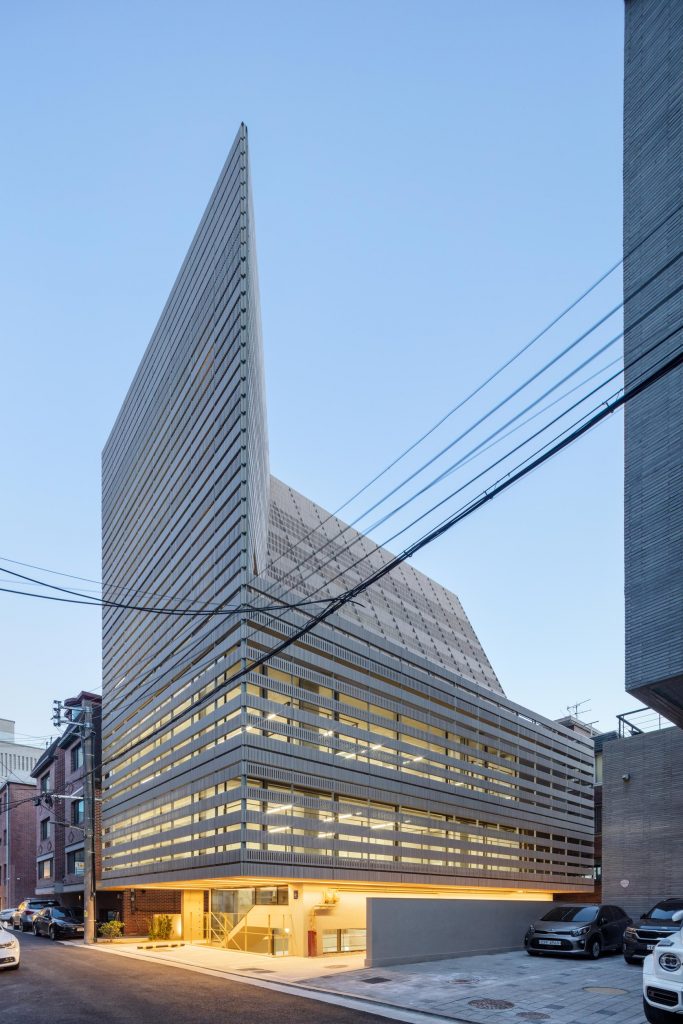
Landscaping is a way to invite nature into architecture and cities. Amid fast evolutions of technologies, cities, and architecture, nature must also be incorporated in artificial ways. The atrium and public gardens of Brickwell, a project in Tongui-dong (architecture by SoA, landscape design by studio loci, 2020), was planned to include a lacebark pine tree site nearby. What does nature mean for residents, architects, and landscape designers in contemporary architecture scene? How does it function? In what form does it exist? What possibilities can we explore to expand nature?
Lacebark Pine Tree Site and the Alleys
The lacebark pine tree site, adjacent to the west side of 35- 17, Tongui-dong, Jongno-gu, Seoul, was where a beautiful, magnificent pine tree stood. Once known as the biggest among its kind in Korea, the tree had been designated as a natural monument until it died in 1991. What’s left of the past are its stump and a few more lacebark trees that were planted afterwards. Three stumps of two-year-old lacebark pine trees stand next to the old stump to bring a serendipitous pleasure for those who walk along the narrow alleys, maximizing the walking experience unique to the Seochon district.
Brickwell stretches over the site of 35-17, Tongui-dong, and wholly embraces the old resting area which has witnessed the history of city’s construction for nearly 200 years. Attached to the tree site, a garden was created to naturally connect the alleys, and the garden joins a courtyard layered over a pond in the center of the rounded building.
Shared Landscape, INFORMAL GARDEN COLLECTIVE
The Tongui-dong lacebark pine tree site suggests an interesting vision of what a shared landscape can be. During the construction of Brickwell, a resident was about to file a furious civil complaint about the construction when outdoor units of air-conditioner were being installed. But after finding out that there was going to be a garden, the resident changed the attitude and brought energy drinks for construction workers. The urban community of various walks of life—architects, landscape designers, residents—voluntarily joined in a collective effort to protect the lacebark pine tree from their respective positions. Architects designed an atrium, landscape designers planned a shared garden, and residents handed over energy drinks instead of filing a complaint.
The garden collective pays a close attention to shared landscapes in city architecture scene. Shared offices, kitchens, and spaces ensure people’s access to essential functions of daily lives in highly dense urban surroundings. With shared landscapes, people regain the right to own a piece of nature, neglected amid the city’s development that counter nature, and encourage them to face the ecoclimatic environment crisis.
Protected Tree in Low-Rise Residential Area, INFORMAL GARDEN COLLECTIVE
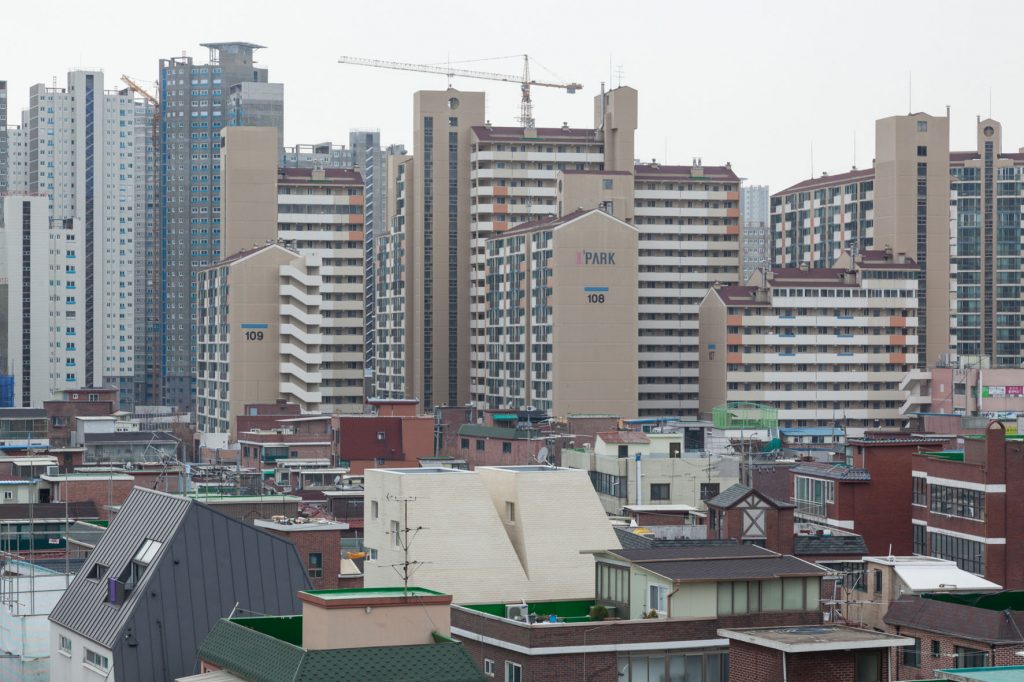
In urban environment, scale is one of the important elements that decide the feasibility of execution and people’s usability. Due to its nature of creating intangible values, shared landscapes must find a way to naturally blend into preexisting environment without having to cost heavily. Its sustainability achieved through autonomous management directly connects to the public benefit provided for the community. In a modern city crying for ‘more, faster, and higher,’ Tongui-dong project Brickwell has identified the elements of shared landscapes as below:
- Subject that entices the sense of community (protected tree)
- Low-rise residential area that create semi-anonymity among neighborhood
- Enclosures and semi-proprietorship created from the alleys
The garden collective taps into the niche possibility for a shared landscape. With protected trees in low-rise areas, which have little access to gardens unlike the newly rising mass-scale residential complexes, the collective explores ways to address ecoclimatic environment crisis. Various members of the city, from general citizens and local residents to architects and landscape designers, understand the crisis and imagine of a virtual collective to create a shared landscape. What kind of shared landscape would people want to nurture together? In this era where everything is born and grown by human, how can people meet nature in cities that hardly share any piece of real nature?
Nature Invited into Daily Lives, Wearable Tree
People form a collective, or a community, by sharing and bonding around a common subject. In a nation, ethnic group, or religion, where individual benefits and needs are fulfilled and people are grouped by their rights and beliefs, “tangible elements” become the anchor for invigorating individuals and sustaining the sense of community. Those tangible elements have penetrated deeply into people’s lives in forms of identification cards, school uniforms, and rosaries.
In case of the garden collective, that tangible element comes in the form of a protected tree, enhancing and maintaining the sense of community. As demonstrated by the Tongui-dong project, protected trees have long been recognized in the society as a subject for protection. It is a desirable case, a clear evidence of enhanced public consciousness, but how do we change the awareness of those who are yet to recognize the importance? What if nature— the protected trees—is recognized as a subject of their needs and desire rather than of obligation or duty? Once nature becomes an essential element for them, something they want to protect and “own,” perhaps they might actively join the effort to tackle the climatic crisis with heightened awareness.
Owning means to invite the subject into one’s daily realm. But protected trees are firmly rooted in earth. We cannot keep it in a wallet like identification cards or hold in the hand like rosaries. One of the solutions to invite nature into people’s daily lives and make it a purchasable and ownable item is to offer a piece of nature as a wearable item for virtual market dominating the modern city.
A Collaboration Between Nature and Daily Life, W.A.T.
Artificial goods stand farthest from nature, and closest to cities. When artificial goods become a medium connecting nature and city, the members of the city will naturally want more shared landscapes and create a spontaneous garden collective.
In complementing the difficulties of access and ownership around protected trees, online markets suggest the easiest and most friendly way to obtain information and analyze trends for people to respectively establish a social and cultural stance. Purchasing of tangible goods extends to offline territories and consequently entice various responses and participations to deal with ecoclimatic crisis.
In commoditizing the protected tree, collaboration with fashion brands—physically closest to people—allows nature to penetrate the urban daily environment, down to its very core. Buyers automatically join the lines of environment protectors, while on- and offline marketing works as a way to change, expand, and inform of the civic awareness toward climatic crisis.
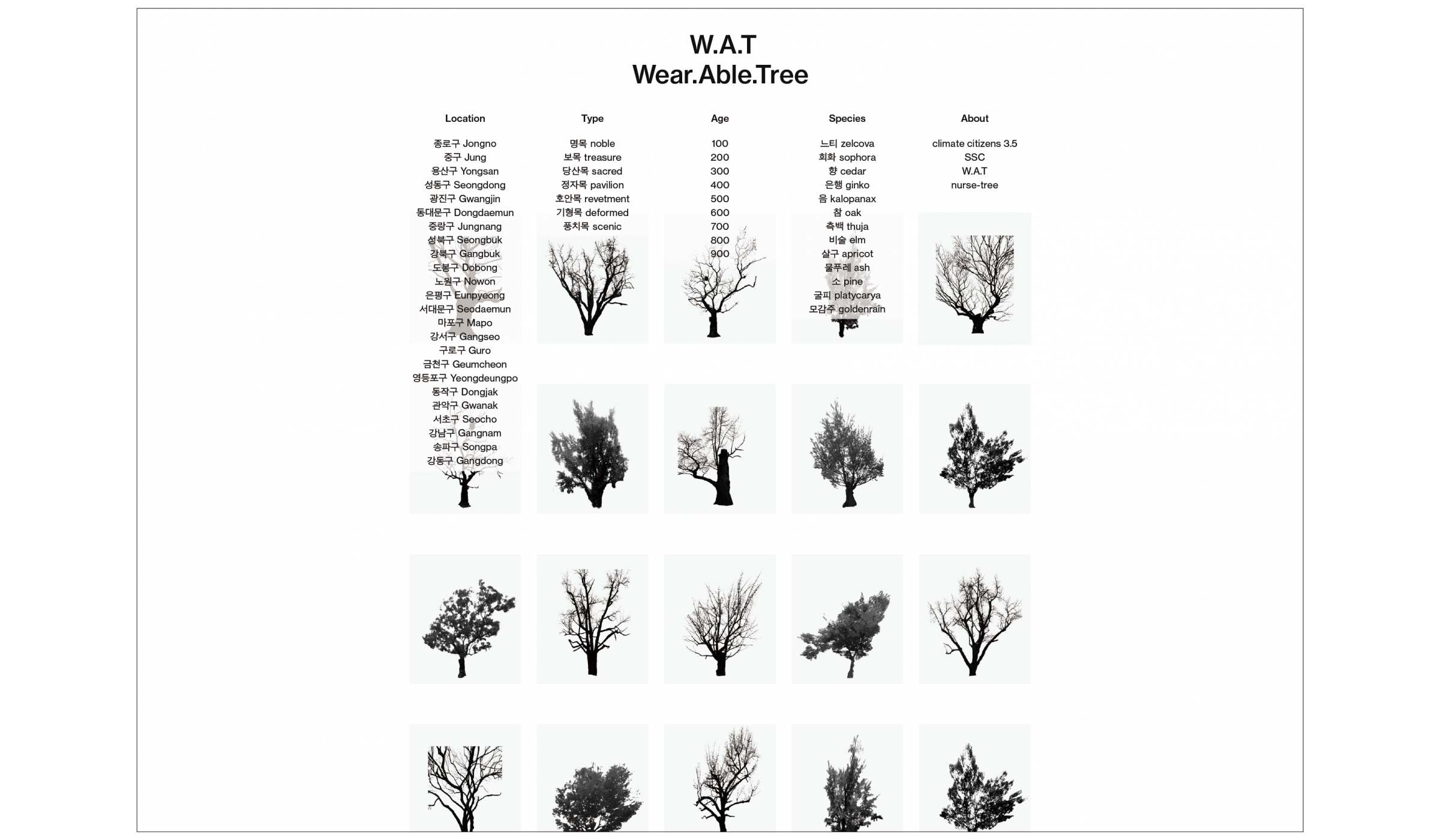
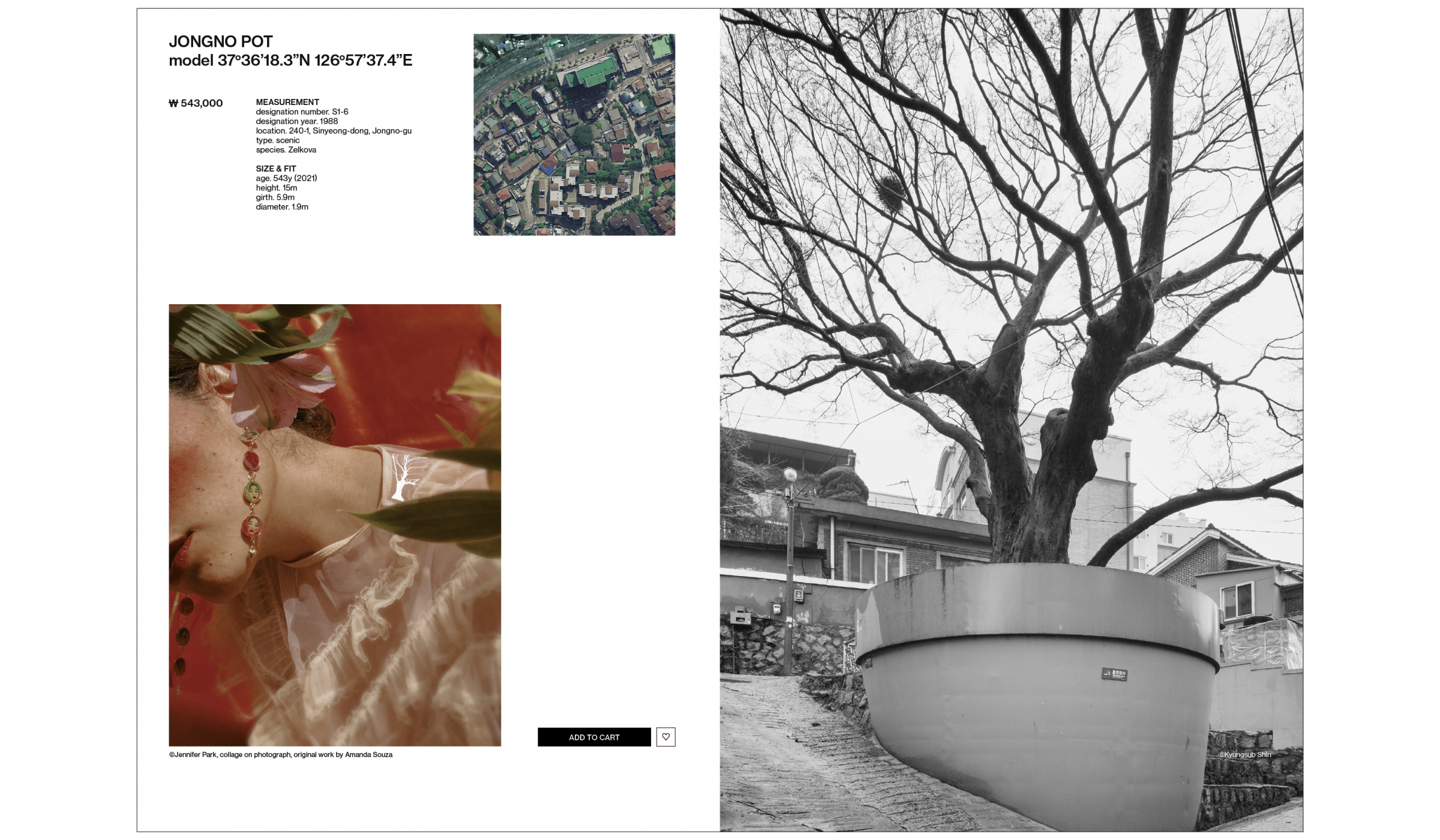
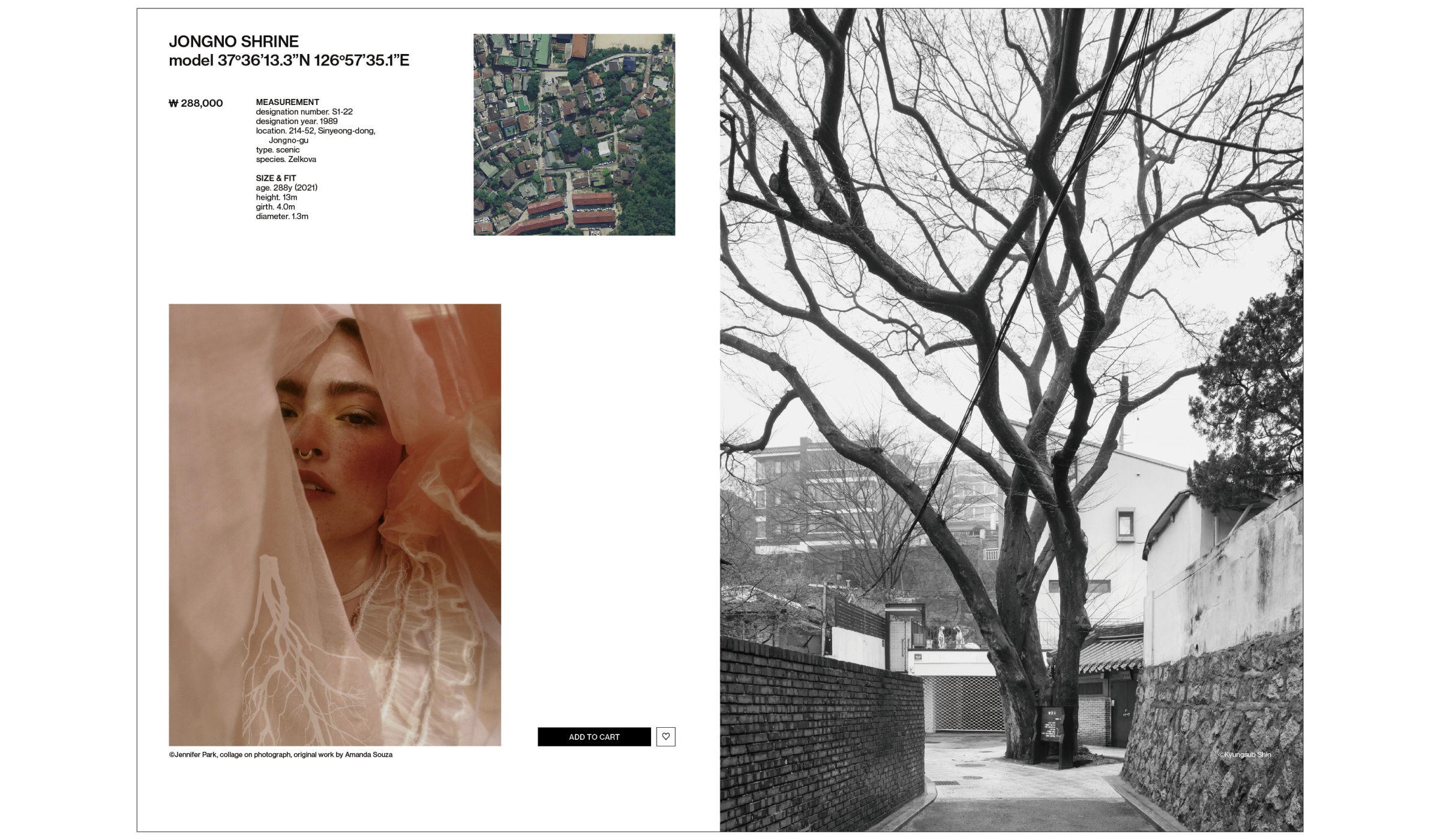
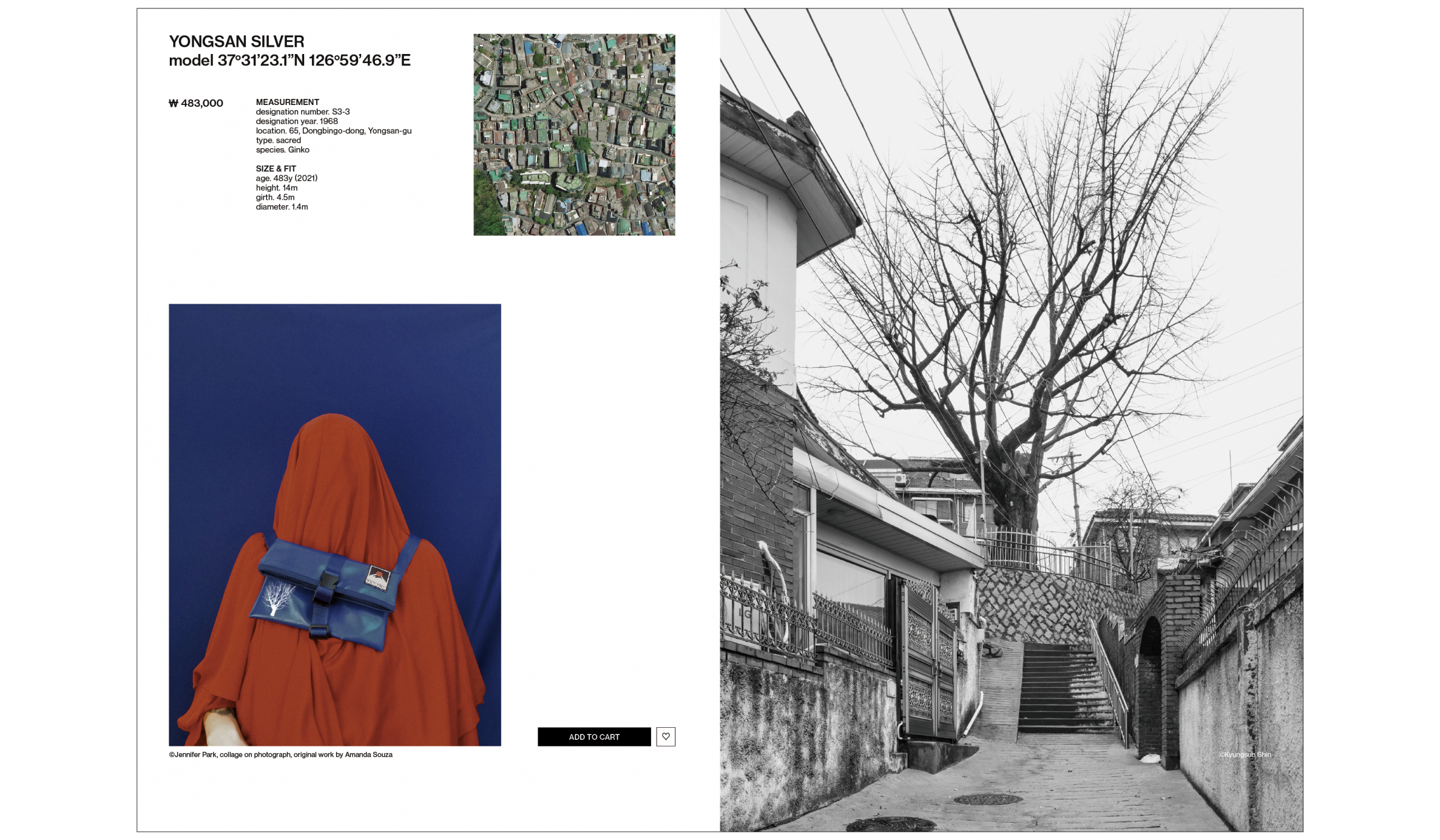
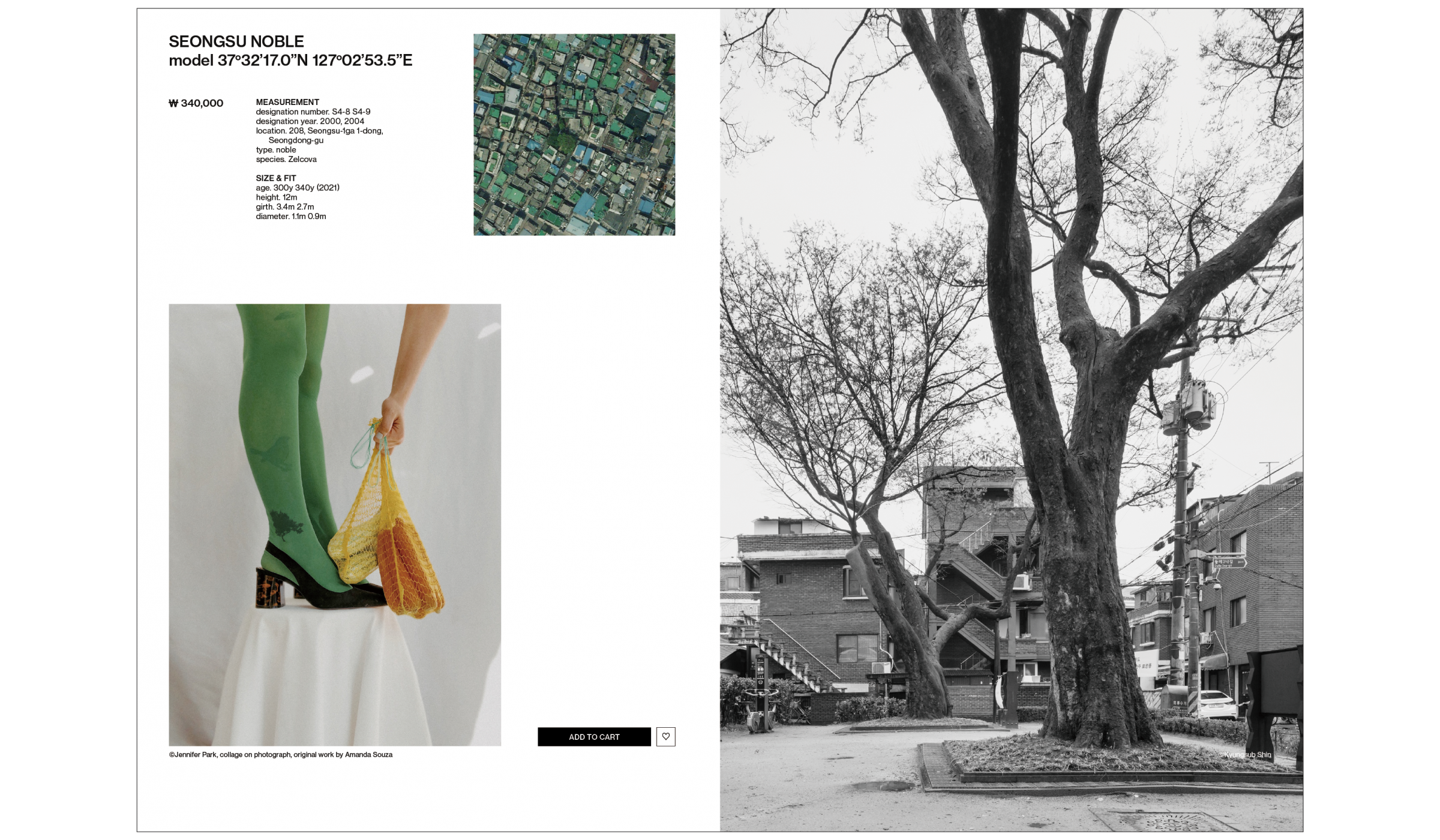
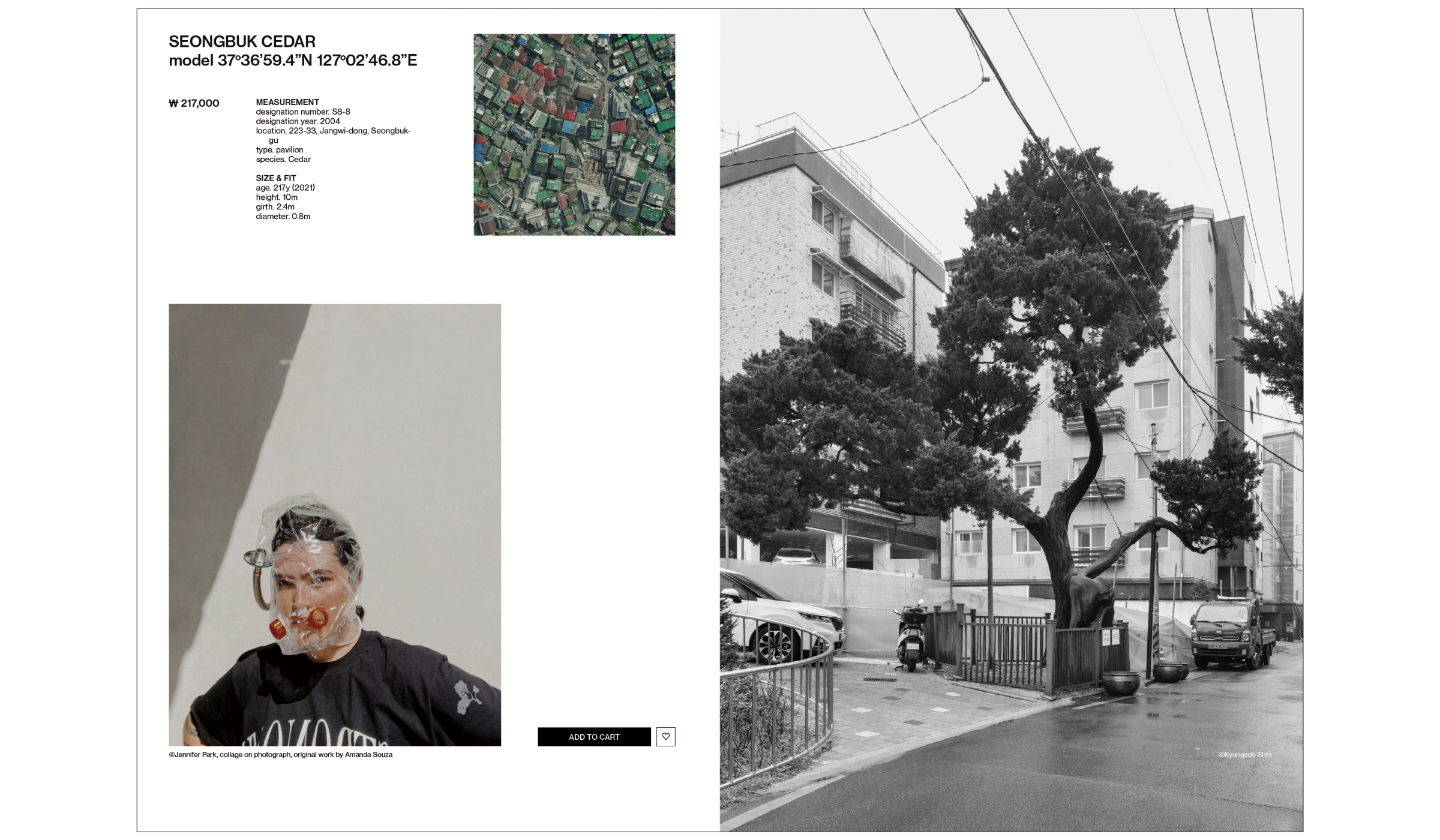
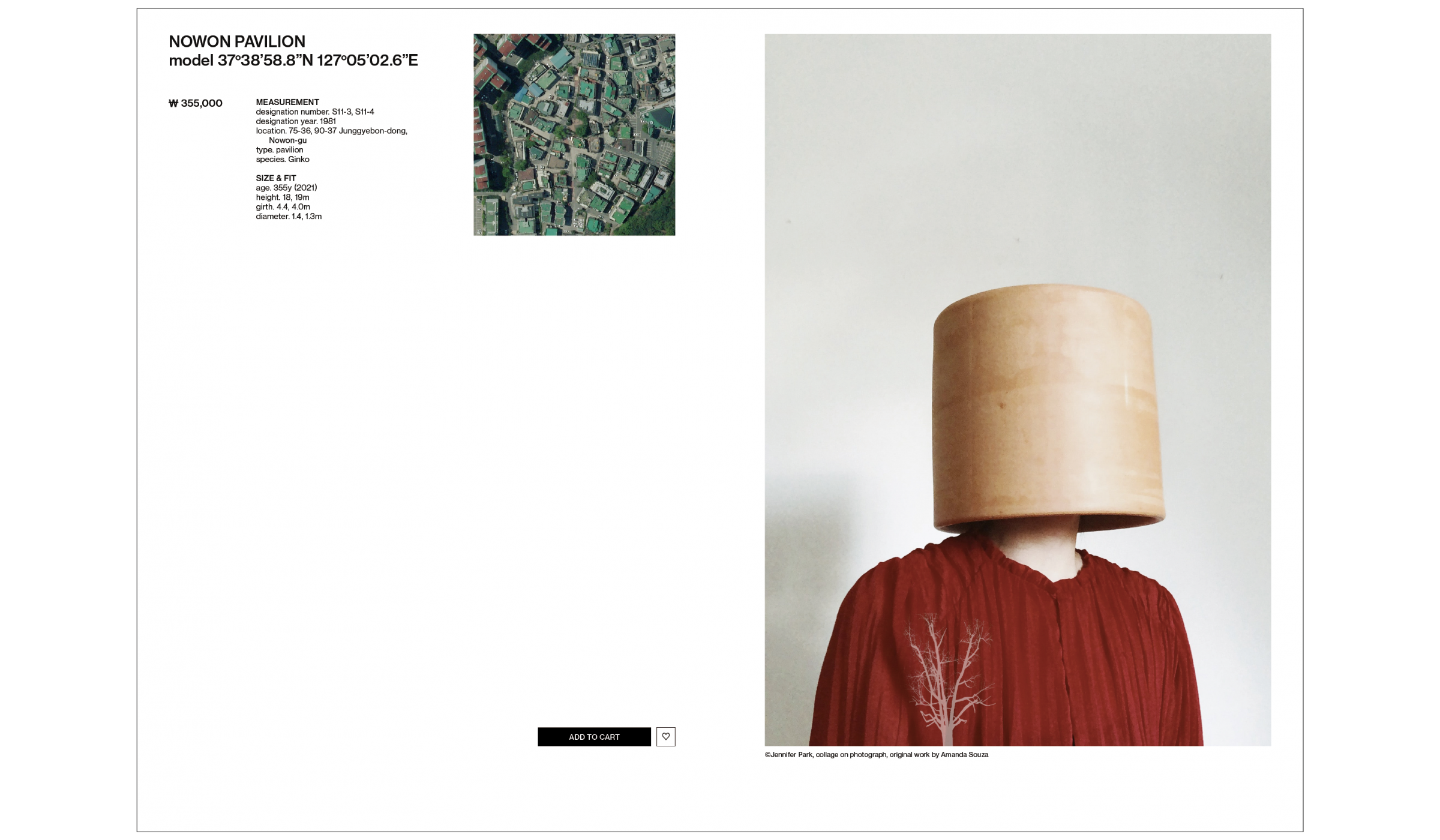
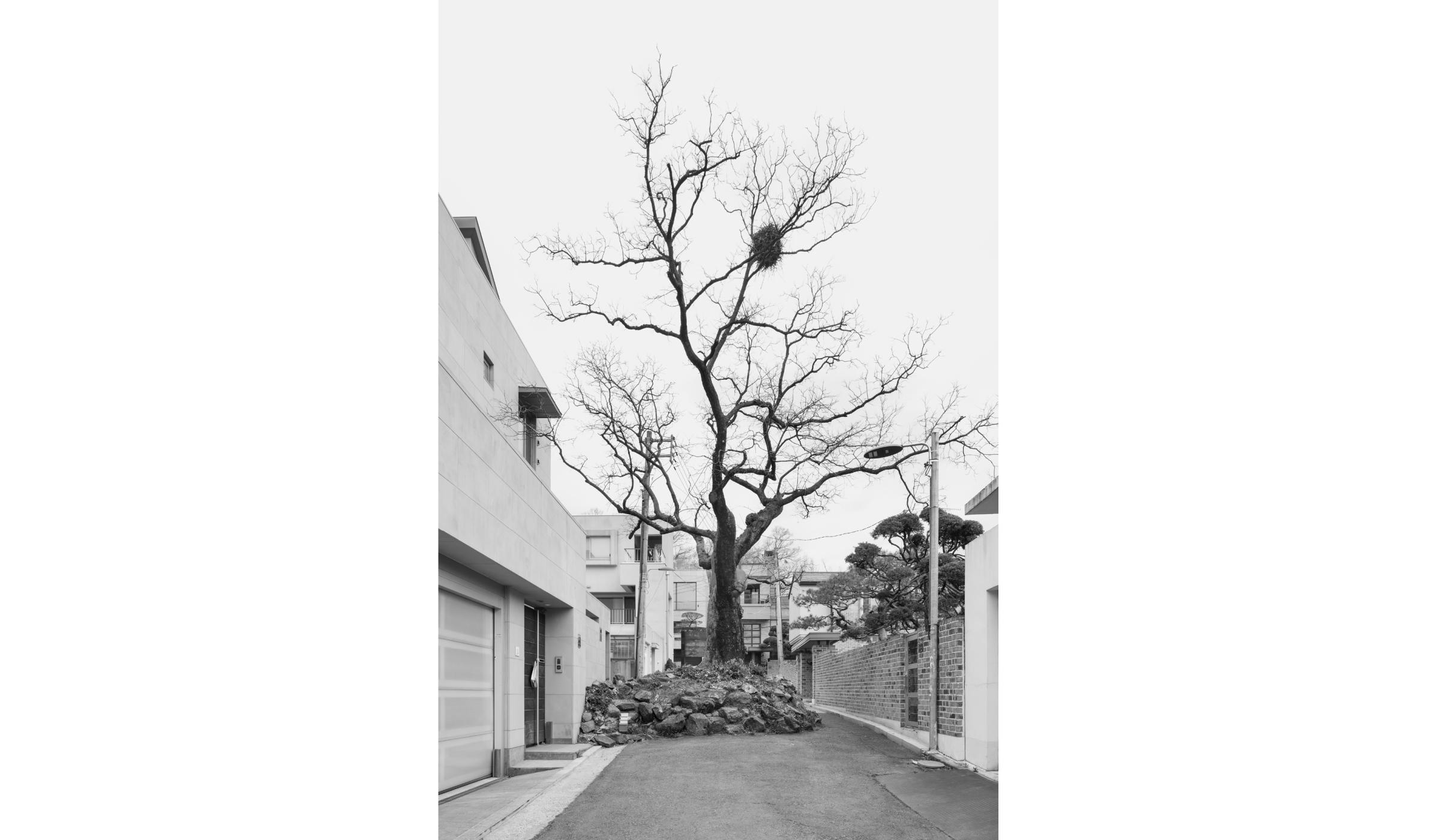
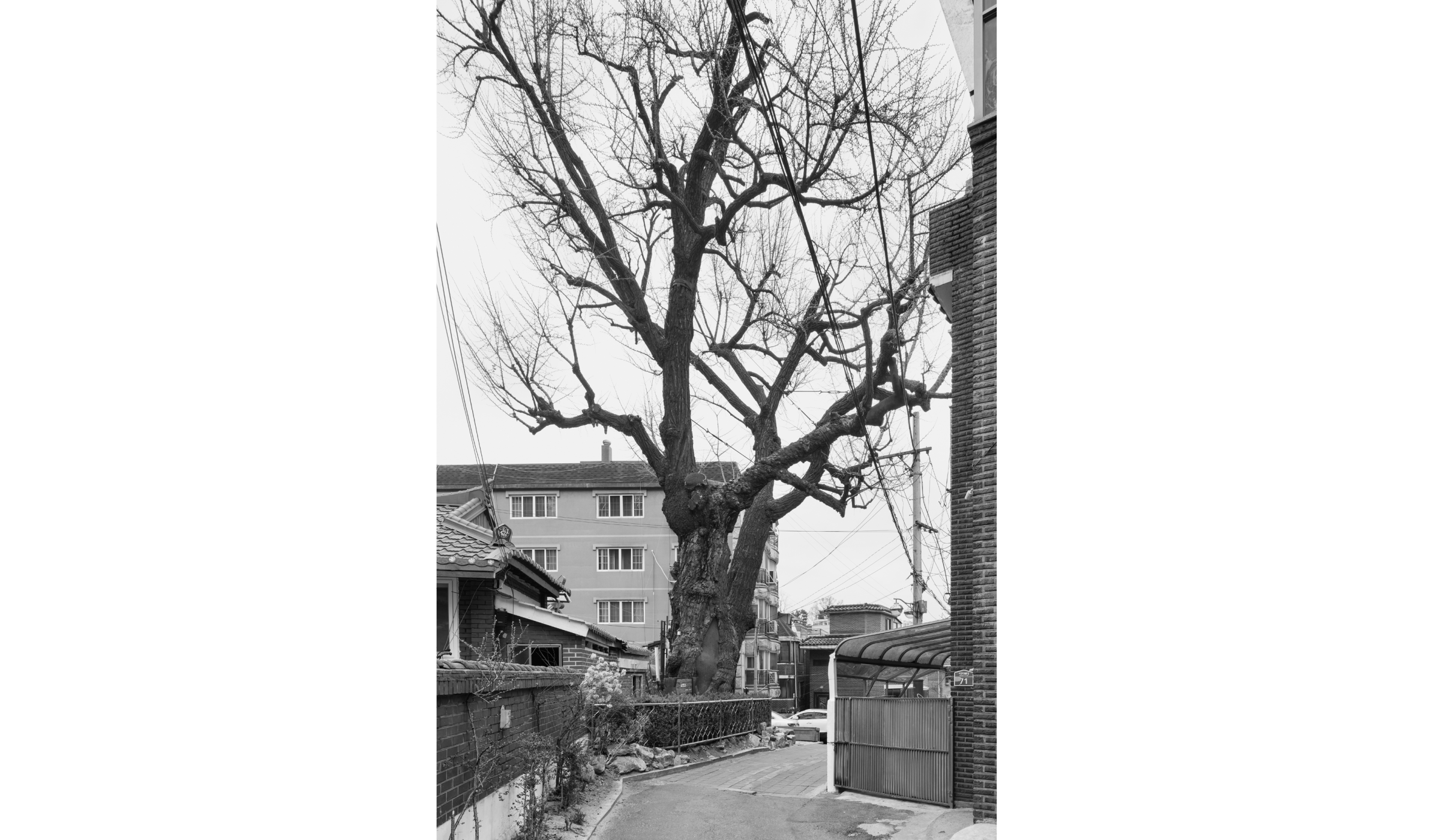
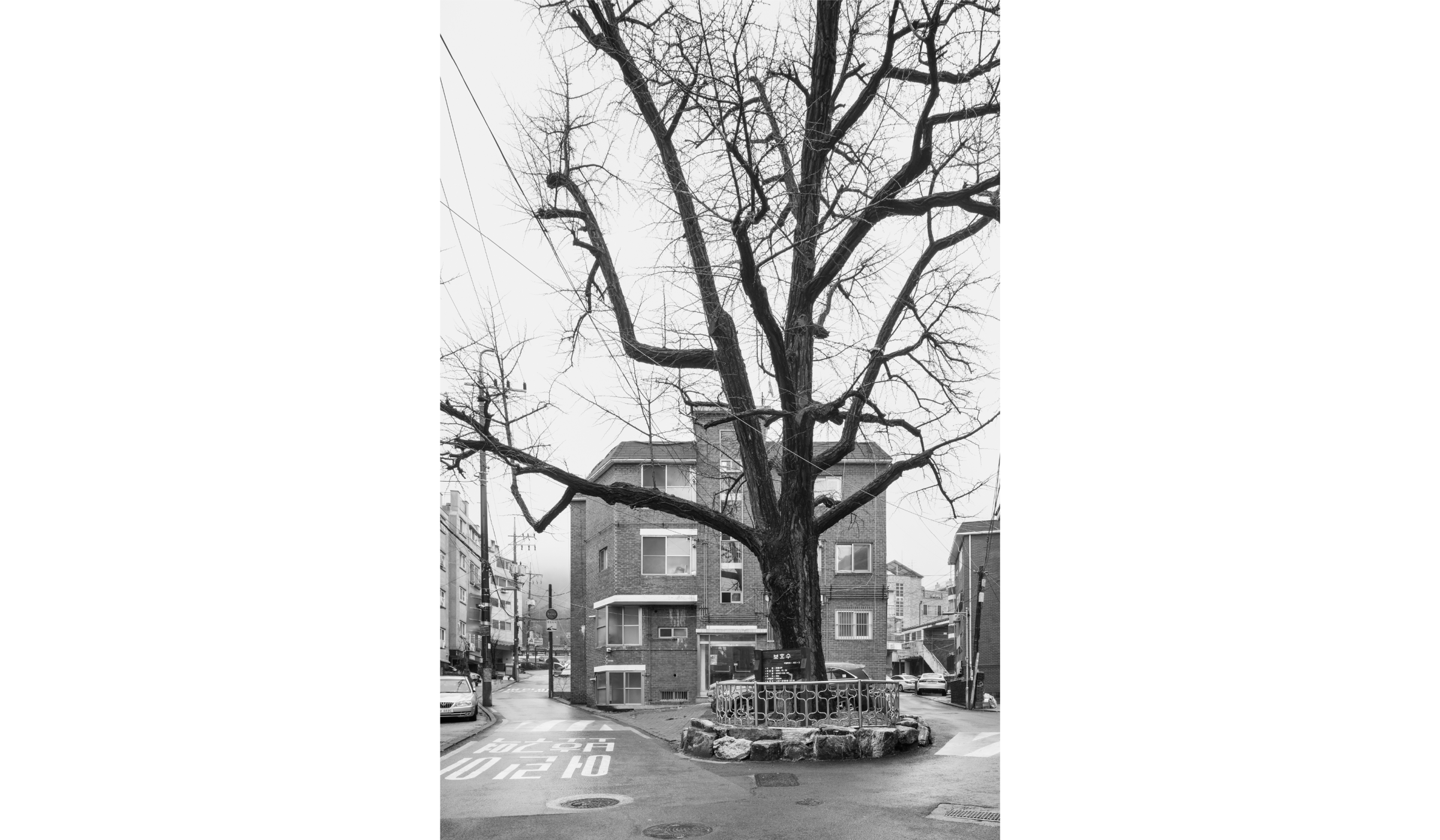
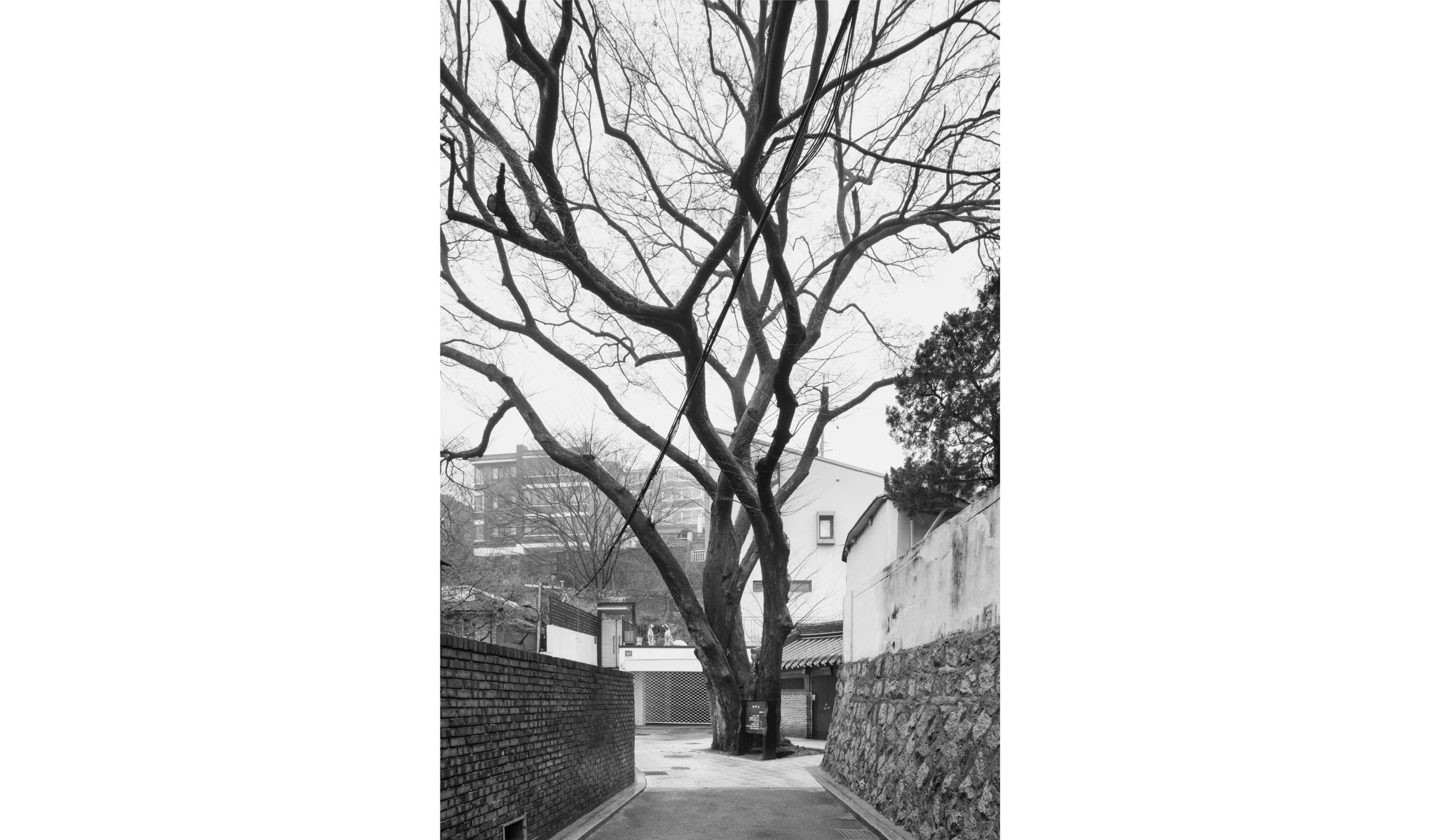
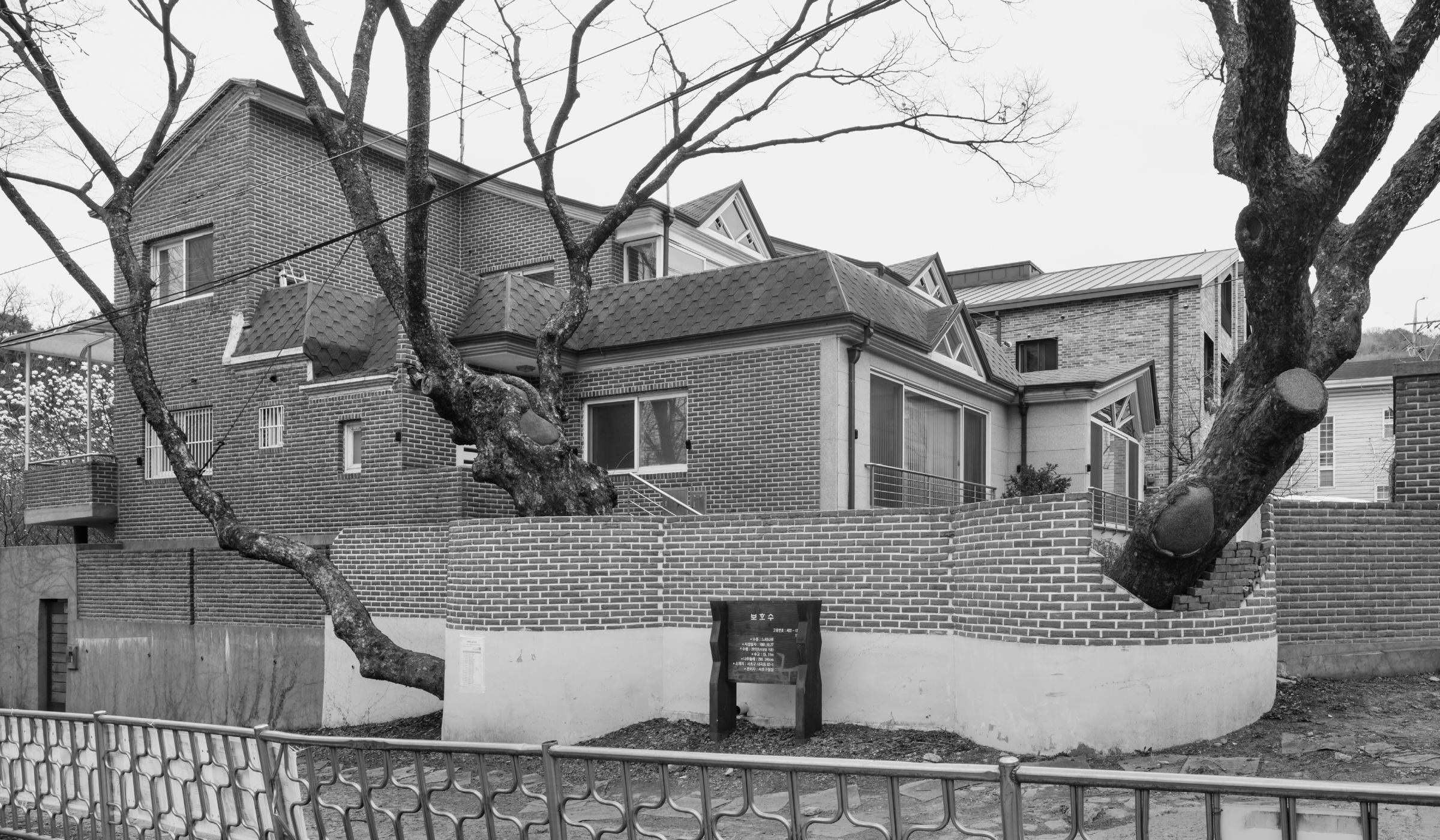
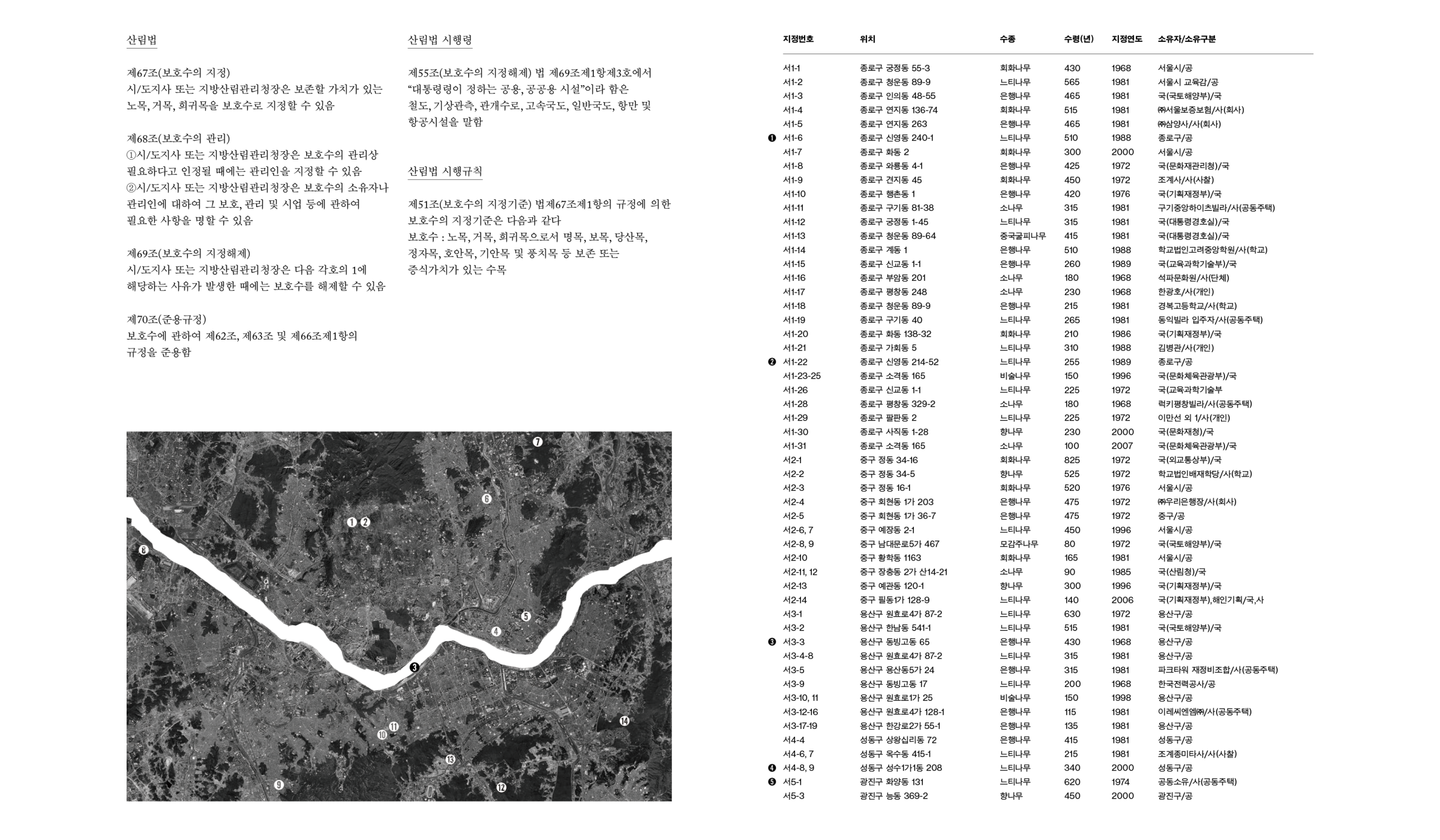
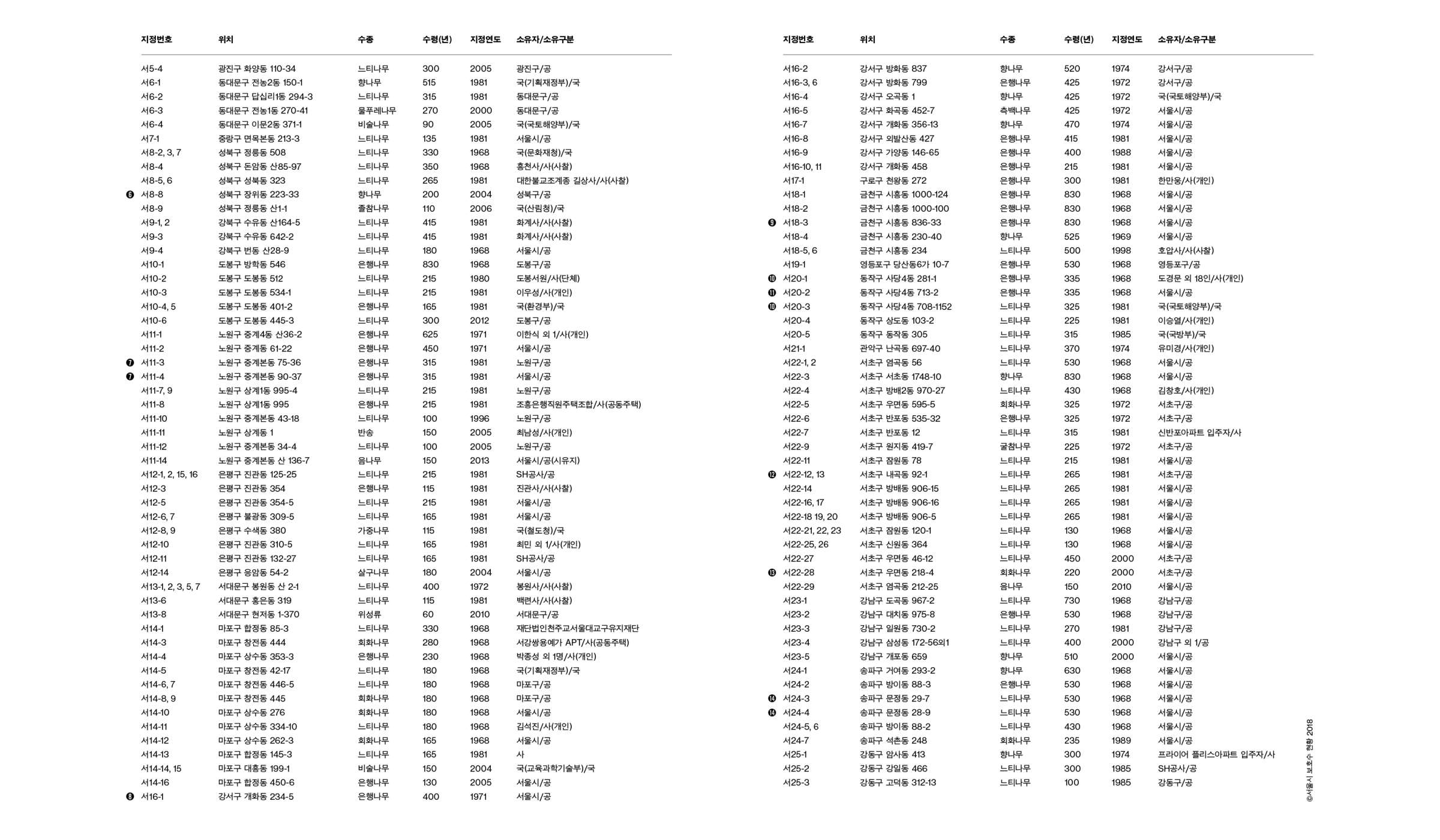
Virtual online market WearAbleTree (W.A.T.) sells a piece of protected trees to modern urbanites. Buyers purchase the goods and wear it daily, forming a garden collective that share the same protected tree. Raw materials come from the officially designated protected trees across the city of Seoul, and there are a total of 200. Among them, protected trees in 14 locations—in the alleys of low- rise residential areas where it’s easier to share the subject offline—are selected to collaborate with fashion products and commoditize the protected trees. Each product will be named according to features of each location, and coordinates will be their model names. The prices will be decided by their ages.
도시의 자연 LANDSCAPE
조경이란 자연을 건축과 도시로 끌어들이는 행위이다. 기술이 빠르게 발전하고 그에 따라 변화하는 도시와 건축에서 자연은 인위적 구축이 불가피하다. 통의동 프로젝트 브릭웰(건축: SoA, 조경: 디자인 스튜디오 loci, 2020)의 아트리움과 공공 정원은 대지 바로 인근의 백송터와 함께 계획되었다. 현대 도시 건축 환경에서 자연은 주민, 건축가, 조경가에게 어떤 의미를 갖는가. 어떤 기능을 갖는가. 현재 어떤 상태로 존재하는가. 존재한다면 확장 가능성은 무엇인가.
백송터와 골목길
서울시 종로구 통의동 35-17번지의 서측 인접대지인 백송터는 1991년 나무가 죽고 사라지기 전까지 우리나라 백송 중에서 가장 크고 아름다워 천연기념물로 지정되기도 한 나무가 있던 자리이다. 지금은 백송의 그루터기와 새로 심어진 백송 몇 그루가 과거의 기억을 붙잡고 있다. 백송터 자리에는 그루터기와 2세 백송 세 그루가 남아있는데, 좁은 골목을 걷는 와중에 만나게 되는 뜻밖의 경험이며, 서촌 일대 보행 경험의 특징을 상징적으로 보여준다.
35-17번지의 브릭웰은 200년 가까이 그 자리에서 도시 조직의 역사성을 함께 지켜온 골목 끝 작은 쉼터의 공간성을 대지 내부로 흡수, 확장한다. 서측 백송터 쪽에 붙여 골목에서 자연스럽게 이어지는 정원을 계획하고 그 위로 건물 전체를 관통하는 중정을 둔다.
공유조경, 가든 콜렉티브
통의동 백송터는 공유 조경의 흥미로운 가능성을 보여준다. 브릭웰 시공 중 에어컨 실외기 설치가 시작되자 한 주민은 민원을 넣겠다며 거세게 반발했다. 조경 공사가 시작되고 정원이 계획되었다는 것을 알게 되자, 놀랍게도 그 주민은 조경 공사 인부들에게 박카스를 사다 주었다. 다양한 도시 구성원들(건축가, 조경가, 주민)은 자신의 위치와 역할에서 백송을 보호하기 위해 자발적으로 노력했다. 건축가는 아트리움을 설계하고 조경가는 공공정원을 계획했으며 주민은 민원을 넣으려다가 박카스를 건넸다.
가든 콜렉티브는 도시 건축 환경의 공유 조경에 주목한다. 공유오피스, 공유주방과 같은 공유 공간은 높은 밀도의 도시 환경에서 사적 소유가 어려운 생활의 중요 기능을 보장한다. 공유조경은 도시의 반자연적 발전에 가려 홀대되어 온 개인의 ‘자연 소유 권리’를 되찾고 궁극적으로 생태 기후 환경 위기에 대처한다.
저층 주거 지역의 보호수, 가든 콜렉티브
도시 환경에서 스케일은 실행 가능성과 사용자의 활용성을 결정짓는 중요한 요소 중 하나이다. 공유조경은 비물질적 가치를 창출하는 특성상 기존 환경에 큰 경제적 무리없이 녹아들어야 한다. 자발적 관리를 통한 지속가능성은 공유 공동체가 스스로 느끼는 공익성과 직결된다. ‘더 빨리 더 많이 더 높게’를 지향하는 현대도시에서 통의동 프로젝트 브릭웰을 통해 배운 공유 조경의 요소는 다음과 같다.
- 공동체 의식을 불러일으키는 대상(보호수)
- 이웃의 이명성(반익명성)이 형성되는 저층 주거 지역
- 골목길 구조의 반노출성(enclosure)과 반사유성(semi-proprietorship)
가든 콜렉티브는 공유 조경이 마련될 수 있는 틈을 열어본다. 새롭게 개발되는 대규모 주거단지와 달리 정원을 향유하기 어려운 서울의 저층 주거지역에 위치한 보호수를 통해 도시에서 생태 기후 환경 위기에 대응한다. 다양한 도시구성원 (일반 시민, 지역 주민, 건축가, 조경가)들이 스스로 위기를 인지하고 공유 조경을 구축하는 가상의 콜렉티브를 상상한다. 스스로 함께 가꾸어 가고 싶은 공유 조경은 어떤 형태일까. Man-made에서 태어나고 자라는 시대, 자연에 거의 노출되지 않는 도시에서 자연은 어떻게 사람들에게 다가갈 수 있을까.
일상으로 들어온 자연, WEARABLE TREE
사람들은 무언가를 공유, 공감하면서 콜렉티브(공동체)를 형성한다. 개인적 이익이나 욕구 뿐만 아니라 권리, 신념으로 묶이는 나라, 민족, 종교 경우에도, 어떠한 ‘실체적 요소’는 각 구성원들을 상기시키고 공동체 의식을 지속시키는 중요한 역할을 한다. 그 실체적 요소들은 주민등록증, 교복, 묵주처럼 구성원 일상생활에 밀접하게 침투해있다.
가든 콜렉티브의 공동체 의식을 이어주고 유지하는 실체적 요소는 보호수이다. 앞서 소개한 통의동 프로젝트를 통해 보았듯이, 보호수는 이미 어느 정도 사회적으로 지킴의 대상으로 인식되어 있다. 훌륭하고 바람직한 현상이며 사회의 높은 시민 의식을 보여주지만, 그렇지 않은 사람들의 인식까지 변화시키는 방법은 뭘까. 자연(보호수)이 지켜야 하는 의무 혹은 도리가 아닌 욕구, 욕심의 대상이 되면 어떨까. 자연이 소중한 존재, 지키고 싶은 존재, ‘소유’하고 싶은 존재가 된다면 기후 위기에 대한 적극적 인식 변화와 행동적 참여를 기대해 볼 수 있을 것이다.
소유한다는 것은 일상으로 끌어들이는 것이다. 보호수는 땅에 뿌리 내려 있다. 주민등록증처럼 지갑에 넣을 수도, 묵주처럼 손에 들고 다닐 수도 없다. 움직일 수 없는 자연을 일상생활에서 지닐 수 있도록(wearable) 만들고 현대 도시를 지배하고 있는 가상의 소비 시장을 활용해 자연을 일상화, 구매화, 소유화한다.
자연과 일상의 콜레보레이션 W.A.T.
인공 상품은 자연과 가장 멀고 도시와 가장 가깝다. 인공 상품이 장녀과 도시의 매개체가 된다면, 자연스럽게 도시 구성원들의 공유조경 욕구를 불러일으키고 자발적 가든 콜렉티브를 형성할 수 있다.
보호수의 어려운 접근성, 소유화를 보완하기 위해 가장 손쉽고 친숙한 온라인 마켓을 활용하여 보호수를 상품화한다. 소비와 구매를 통해 교류하는 현대인들은 온라인 플랫폼을 통해 정보를 얻고 트렌드를 분석하며 자신의 사회적, 문화적 입장(stance)을 구축한다. 오프라인까지 확장되는 실체적 상품의 구매는 생태 기후 환경 위기에 반응, 대처하는 다양한 참여를 이끌어낸다.
다양한 상품 중 사람의 몸과 가장 밀접한 패션 브랜드와 보호수의 콜래보레이션을 통해 자연은 도시일상의 중심으로 침투한다. 구매자는 자동적으로 환경보호인이 되고 온/오프라인 마케팅은 기후 위기 인식 변화, 확장, 광고 역할을 한다. 가상 온라인 마켓 WearAbleTree(W.A.T.)는 현대 도시인들에게 보호수를 판다. 소비자들은 상품을 구매하여 일상생활에서 착용하고, 같은 보호수를 공유하는 가든 콜렉티브를 형성한다. 원자재(보호수)는 서울 전지역에 분포한 공식지정 보호수이며 총 200여 그루이다. 그 중 상대적으로 오프라인 공유 가능성이 높은 저층 주거지역의 골목길 안쪽에 위치한 보호수 14지점을 선정, 패션 프로덕트와 협업해 이를 상품화한다. 각 상품은 오프라인 위치적 특성으로 이름이 지어지고 좌표가 모델명이 되며 수령으로 가격이 책정된다.